Who is a candidate?
Prospective patients for weight-loss surgery often have several general minimum criteria before they are provided the opportunity to consider bariatric surgery. This could include BMI guidelines, significant medical co-morbidity such as Type 2 diabetes, hypertension, sleep apnea or major pain challenges; chronicity of problems; and reasonable efforts to lose weight through diet and exercise. If it is determined these general checklist criteria are met there will often be an initial evaluation followed by a surgical assessment. During both sessions, your medical professional will recognize any protentional roadblocks. Once you are told that you are a potential candidate for bariatric surgery you will likely be referred for a pre-surgical bariatric psychological evaluation.
The Psychological Evaluation
Many people enter the evaluation suffering from pain, wanting to be able to participate in their life, worried if they will live to see their grandkids, distressed by their thoughts about themselves, or wanting to improve their health. Everyone has different motivations and expectations for their surgical outcome. The evaluation is meant to allow for concerns to be addressed and reviewed. Most people that come into the office are highly motivated, competent, and maybe a little anxious.
An important pillar of medical practice is autonomy or the idea that individual patients should have the freedom to make choices about their lives, including medical matters. The psychological evaluation is meant to provide education, identify risk factors, and help you along your journey toward life-changing surgery. With these principles in mind, the evaluation will consist of intake paperwork, interview, and completion of written forms. This will help to gain insights into how past patterns may influence finding a successful surgical outcome. The lifestyle changes and transformation of habits within your circle of friends, daily activities, nutrition, and skin care can be difficult and stressful. It is often important to review post-surgical stress management.
How to Pass the Evaluation
You can pass the evaluation if you answer all the questions as honestly as possible. Rare difficulties passing can occur when a candidate does not disclose any historical documented mental health concerns or when completed written forms do not match the self-reports obtained during the interview. This can complicate the evaluation process. However, this does not often happen. Most people express periods of emotional challenges, or past difficult experiences. Being aware of concerns, and seeking help is an asset. This includes prior mental health treatment or medication management of symptoms. Neither of these will automatically exclude someone from this life-changing surgery. Individuals willing to ask for help, and people who have demonstrated they can handle adversity make great surgical candidates.
Wysocki Psychological Services
If you are considering surgical weight loss intervention, we warmly encourage you to contact my office or review our frequently asked questions about psychological evaluations. Whether you prefer in-person consultations or the convenience of telehealth, we are fully prepared to accommodate you, regardless of your location. Our primary focus is to provide flexible and convenient options that optimize the chances of a successful surgical outcome, no matter where you reside. We strongly discourage seeking results from providers that may not be accepted by your insurance or surgical team. We often work with local hospitals, St. Bernards and NEA Baptist, but provide pre-surgical bariatric evaluations across Arkansas. Rest assured, Daniel Wysocki Ed.S. will swiftly complete your evaluation and provide same-day results, followed by a comprehensive report.
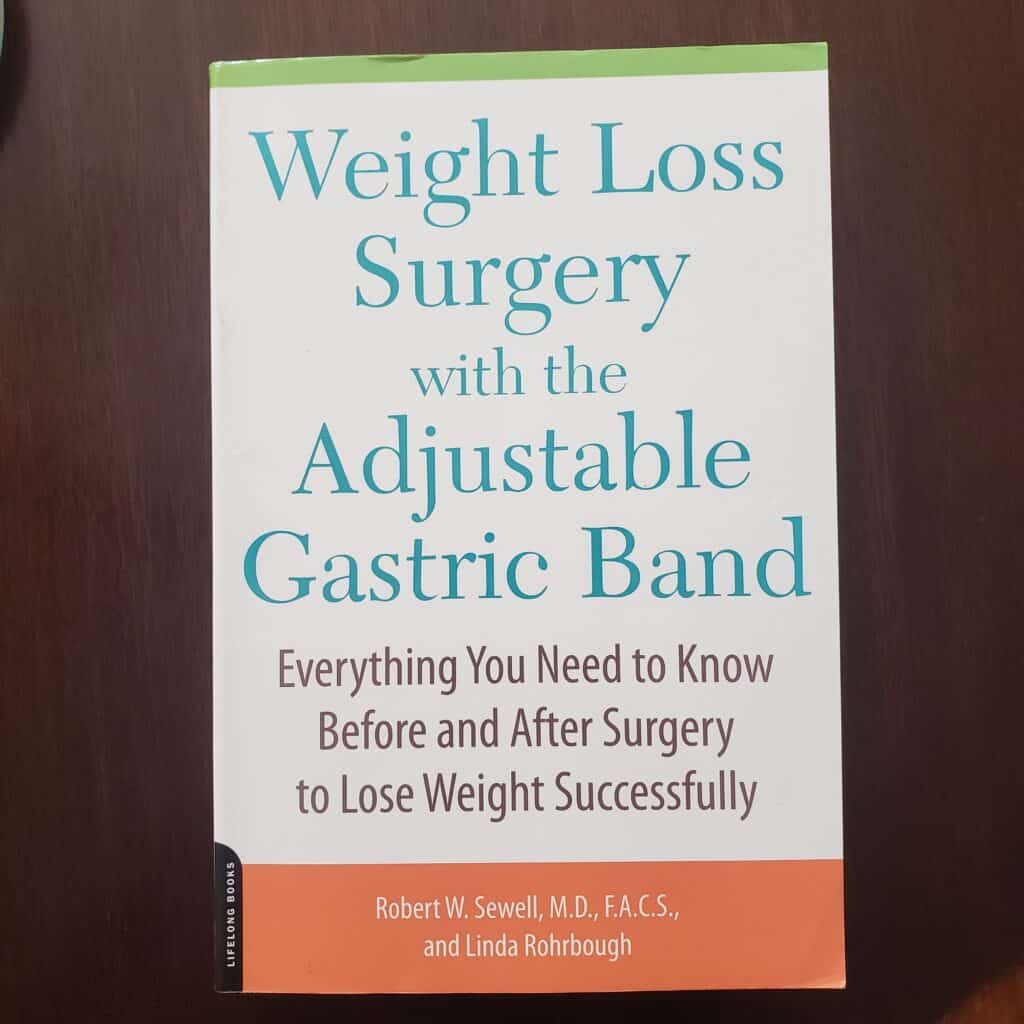
The book below also has many helpful tips and personal stories about weight loss surgery and may benefit your journey!