The Vital Role of Sports in Countering Mental Health Challenges Among Girls
The COVID-19 pandemic has undeniably impacted young people, with girls facing a disproportionate rise in mental health struggles. Studies show an alarming increase in antidepressant prescriptions for teenage girls and young adult women from 2020 to 2022, contrasting a decrease or stagnation in rates for boys. This gender disparity necessitates exploring the potential role of participation in sports, specifically considering the concerning drop-off rates among girls.
While the exact reason for diverging antidepressant use remains complex and multifaceted, the decline in girls’ sports participation likely plays a significant role. Research suggests an unfortunate trend – girls’ participation rates worsen with age, with a staggering 1 in 3 dropping out by their late teens. This coincides with the period when these studies report the sharp rise in antidepressant use. This raises a crucial question: did missing out on the social support network and confidence-building fostered by sports during their formative years contribute to their heightened vulnerability to mental health struggles?
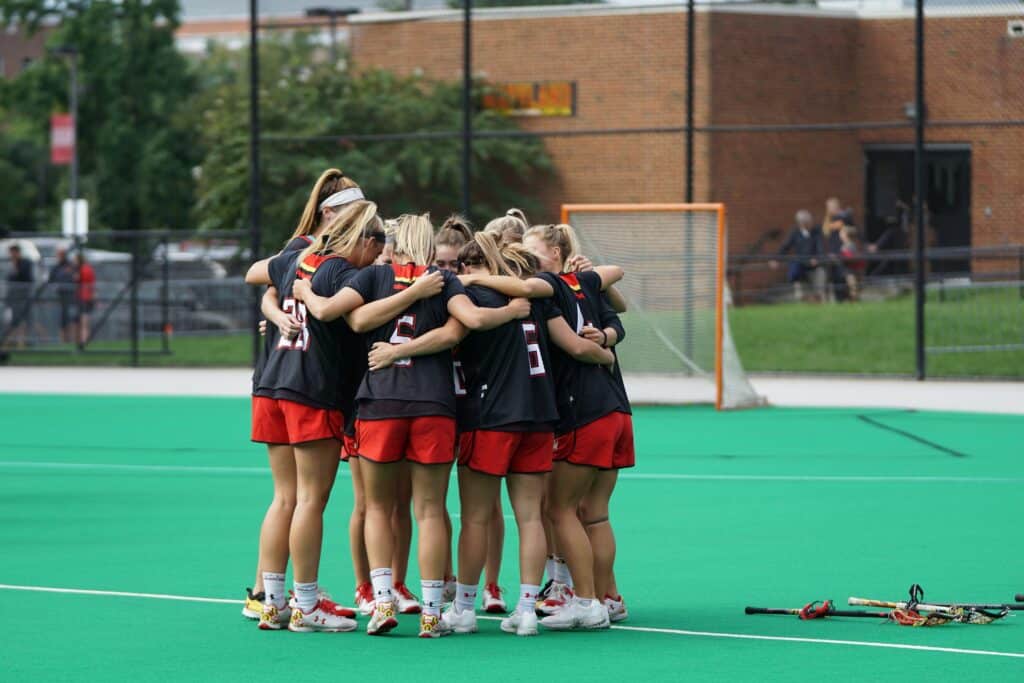
The Multifaceted Benefits of Sports for Girls:
- Social Support and Belonging: Sports provide a platform for girls to build strong bonds with teammates, coaches, and mentors. This sense of belonging and shared purpose contributes to feelings of self-worth and combat loneliness, which can be especially detrimental during a period of social isolation like the pandemic.
- Improved Mental Wellbeing: Physical activity, a core aspect of sports participation, has proven benefits for mental health. Exercise releases endorphins, natural mood-lifters that combat symptoms of depression and anxiety. Additionally, the focus and discipline required in sports can build resilience and coping mechanisms, equipping girls to better navigate challenges.
- Body Image and Self-Esteem: Engaging in sports helps girls develop a positive body image by fostering body appreciation over body criticism. They learn to see their bodies as capable and strong, contributing to increased self-esteem and confidence.
- Leadership and Life Skills: Sports provide opportunities to develop crucial life skills, from teamwork and communication to goal setting and perseverance. These skills not only translate to success on the field but also equip girls to navigate various aspects of life, fostering a sense of agency and control.
The disproportionate impact of the pandemic on girls’ mental health underscores the urgent need for promoting their continued engagement in sports. By providing accessible opportunities, encouraging participation, and dismantling societal pressures that discourage girls from sports, we can create a supportive environment that empowers them to build resilience, confidence, and a healthy sense of self, ultimately contributing to their overall well-being.
What can we do:
Nike has put out a guide about How to Get Girls Playing and highlights that girls love to play sports, but it also acknowledges the existing challenges they face. Stereotypes about masculinity and fear of injury, along with limited access to dedicated leagues and programs, can discourage participation. Ther is a lack of female role models and female coaches that make it harder for girls to envision themselves succeeding and feel a sense of belonging in the sports world.
This guide offers valuable insights. It emphasizes the numerous benefits of sports participation for girls, including fostering confidence, leadership skills, and overall well-being. The guide stresses the importance of creating welcoming environments free from judgment, allowing girls to experiment and learn in a supportive atmosphere. It also highlights the crucial role of parents and coaches in providing encouragement, celebrating effort, and emphasizing progress over perfection. Finally, showcasing successful female athletes and coaches as role models can inspire future generations of girls, breaking down stereotypes and encouraging them to pursue their passion for sports.
About the Author: Daniel Wysocki, Ed.S., is a board-certified professional in psychology with over ten years of experience providing counseling and psychological testing. Based in Jonesboro, Arkansas, he provides comprehensive services to clients of all ages, including children, teens, adults, and families.