What is it?
Daylio monitors your mood, goals, and activities while also providing reminders for each of these tasks. It is available for Android and IOS, offering a free and paid version. While the free version of Daylio is valuable, the $20 USD paid version provides premium features, including data export, custom reminders, and more comprehensive statistics. Keep an eye out for promotions or discounts to make the upgrade more cost-effective; personally, I was offered a yearly subscription for $12 USD.
Can it help people with ADHD?
Daylio is a tracking app that can be particularly useful for individuals with ADHD who struggle with planning and motivation. Here are some ways Daylio can support individuals with ADHD:
- Create customizable reminders: Users with ADHD often struggle with remembering appointments or daily routine tasks. Daylio allows users to set customizable reminders that can be tailored to their specific needs and preferences.
- Provide daily planning: Planning can be a particular challenge for individuals with ADHD, and this app has features that allow users to break down tasks into smaller, manageable steps. The app could also provide daily goal-setting features to help users stay focused and motivated.
- Use gamification to promote motivation: ADHD individuals often struggle with self-regulation, so using gamification techniques to promote positive behavior could be helpful. For example, the app awards points or badges for completing tasks or meeting goals, which could help users stay motivated.
- Incorporate mood tracking on high frequency intervals: Mood can have a significant impact on ADHD symptoms, and this app can allow users to track their mood on a frequent basis. This could help users identify triggers or patterns that affect their mood and make necessary adjustments.
Does it work?
Daylio stands out as a robust self-care bullet journal encompassing goals, mood diaries, and happiness tracking, offering users unparalleled customization. However, the extensive range of customization options might pose a challenge during the setup, particularly for individuals dealing with ADHD, who may find planning and activation tasks overwhelming and time-consuming.
While Daylio holds great potential for individuals with ADHD, the setup process may act as a hurdle to effective utilization. The free version provides a few templates, but they might not align with the specific requirements of individuals with ADHD. Complete customization of menus, prompts, and reminders demands a considerable time investment, posing a challenge for users struggling with activation and motivation, common issues for those with ADHD.
Daniel Wysocki Ed.S, a therapist in Jonesboro, AR, suggests that individuals with ADHD could benefit from seeking assistance from a trusted friend or family member to help them with the initial setup process. This could involve writing down their goals and receiving guidance on what they hope to achieve. Moreover, utilizing the repeat feature on apps can simplify the task of adding activities and goals, resulting in a more consistent routine.
Daylio is a valuable tool for individuals with ADHD, but it may require some initial effort and planning to set up effectively. With some assistance and patience, individuals with ADHD can customize the app to meet their specific needs and gain valuable insights into their mood and behavior patterns.
User experience
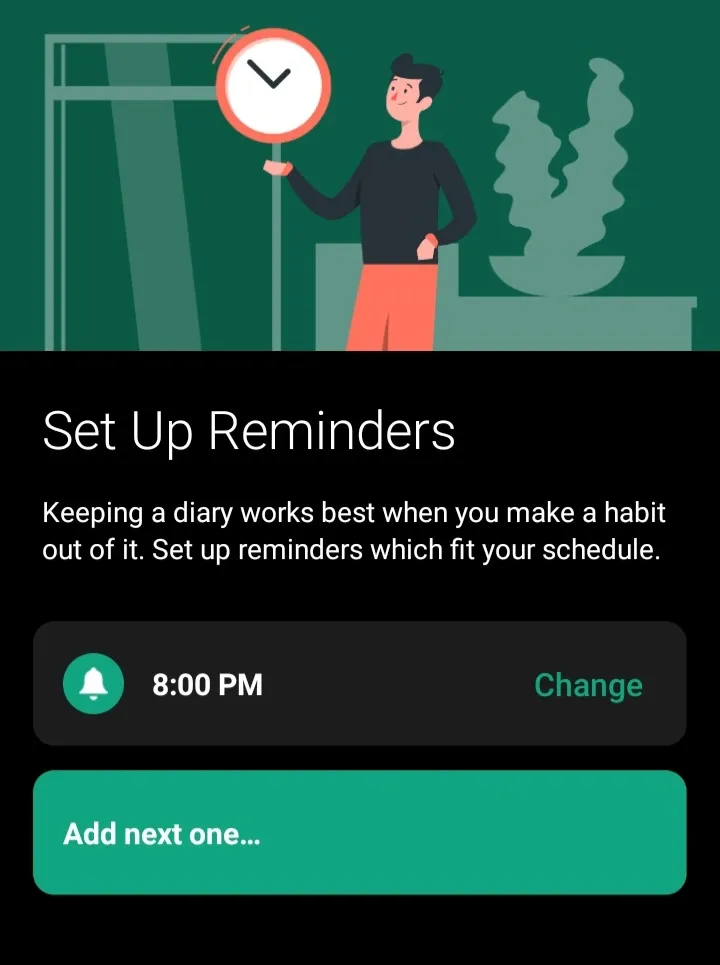
Daylio is most effective when users leverage its reminder system. While the initial engagement with mood tracking and activity completion is novel, the real value lies in the app’s well-configured reminders, surpassing the convenience of other alarm and calendar applications. These reminders not only notify users of streaks and goal achievements but also do so in a manner that is user-friendly and efficient.
Someone with ADHD could find these daily reminders a potential disruption to their focus and productivity. It falls on the individual to assess their strengths and weaknesses, determining whether the reminders contribute positively or negatively to their task performance. Additionally, users must weigh the increased interaction with their phone against the distraction from other essential activities.
Daylio serves as a potent tool for individuals with ADHD to address executive function deficits by monitoring mood, activities, and goals. The app’s extensive customization options and reminder system offer valuable insights into behavior patterns, aiding users in establishing and sustaining daily routines. Nonetheless, users should remain mindful of the potential distractions brought about by constant notifications, using the app in a manner that aligns with their unique needs and goals.
Summary

It is important to note that Daylio is not a substitute for professional medical advice, diagnosis, or treatment for ADHD. While the app can be helpful in managing executive function deficits, it was not designed specifically for treating the symptoms of ADHD.
One potential drawback of the app is that the setup process can be overwhelming, especially for individuals with ADHD. However, if users can navigate the customization options or enlist assistance in setting up their goals, activities, and reminders, Daylio can be a powerful tool for managing daily routines along with these 5 essential tools.
It is also important to recognize that Daylio may not address all of the unique challenges faced by individuals with ADHD. While the app can help with mood tracking and goal setting, it may not fully address the complexities of ADHD symptoms such as impulsivity, hyperactivity, and distractibility.
Despite these limitations, Daylio may still be a useful tool for some individuals with ADHD. While there is minimal risk in trying out the app, it is important to remember that it is not a substitute for professional medical advice or treatment. I did speak with Daylio’s support team about the possibility of an ADHD-type template and that was an option they are considering.
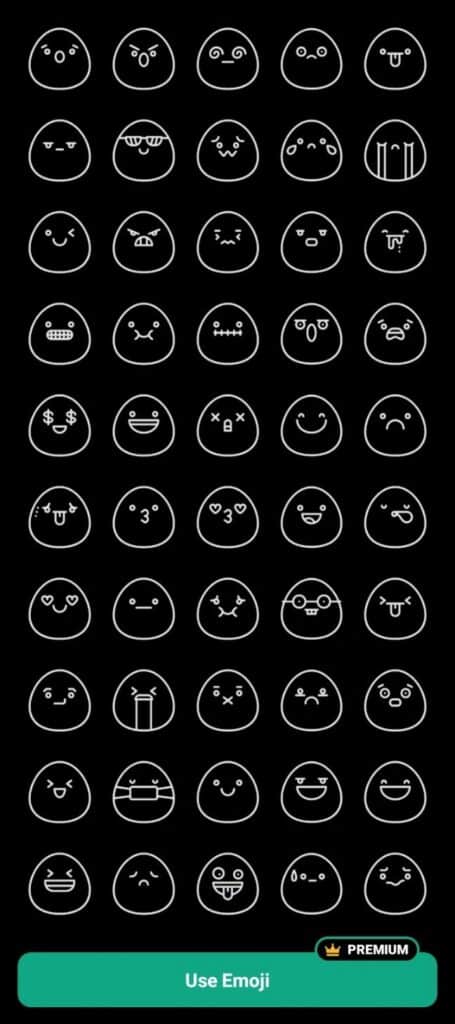
Pros: Daylio offers a wide range of benefits that can be helpful for individuals with ADHD. The daily reminders are especially useful for individuals with executive function deficits, as they can help with planning, activation, and self-regulation. The app also offers endless customization options, which can be fun and engaging. Users can select from a variety of emojis to track their moods, and they can create custom emotions to capture nuanced feelings. Additionally, the app offers streak rewards and progress monitoring, which can be motivating for users. Finally, Daylio provides insights into mood fluctuations, which can be helpful for individuals with ADHD who may struggle with emotional regulation.
Cons: One potential downside of Daylio is that it could be yet another distraction in an already distracted world. Users may find themselves constantly checking the app for updates and notifications, which could interfere with productivity and concentration. Additionally, while the customization options can be a fun and engaging aspect of the app, they can also be time-consuming, especially for individuals with ADHD who may struggle with activation and motivation. Setting up a custom template specifically tailored to ADHD needs can be a lengthy process.
If Daylio doesn’t look right for you, check out this review of an alternative mood and self-care tracking application Shmoody, featured on Business Insider, which also includes insights from Daniel Wysocki, Ed.S.