The symptoms of ADHD can manifest differently in adults than in children. While hyperactivity may decrease with age, adults with ADHD may still experience inattention, impulsivity, and disorganization. Additionally, adults with ADHD may have developed coping mechanisms that can mask their symptoms, making it more difficult to recognize the condition. While hyperactivity may decrease with age, inattention, impulsivity, and disorganization can persist or even worsen.
Untreated ADHD in adults can have a profound and wide-ranging impact on their daily functioning. It can disrupt their sleep patterns, leading to racing thoughts and restlessness that make it difficult to get restful sleep. Furthermore, adults with ADHD may be more prone to using tobacco and drugs as a way to self-medicate and manage their symptoms. Additionally, they may struggle to seek medical care or adhere to treatments due to forgetfulness or difficulty with scheduling appointments.
Adults with ADHD may face challenges when driving, such as a higher risk of accidents and traffic violations due to impulsivity, inattention, or difficulty with maintaining focus. Their job performance can also be affected by distractibility, poor time management, and difficulty with completing tasks. Finally, untreated ADHD can lead to mood swings, irritability, and emotional dysregulation, which can negatively impact relationships and overall quality of life.

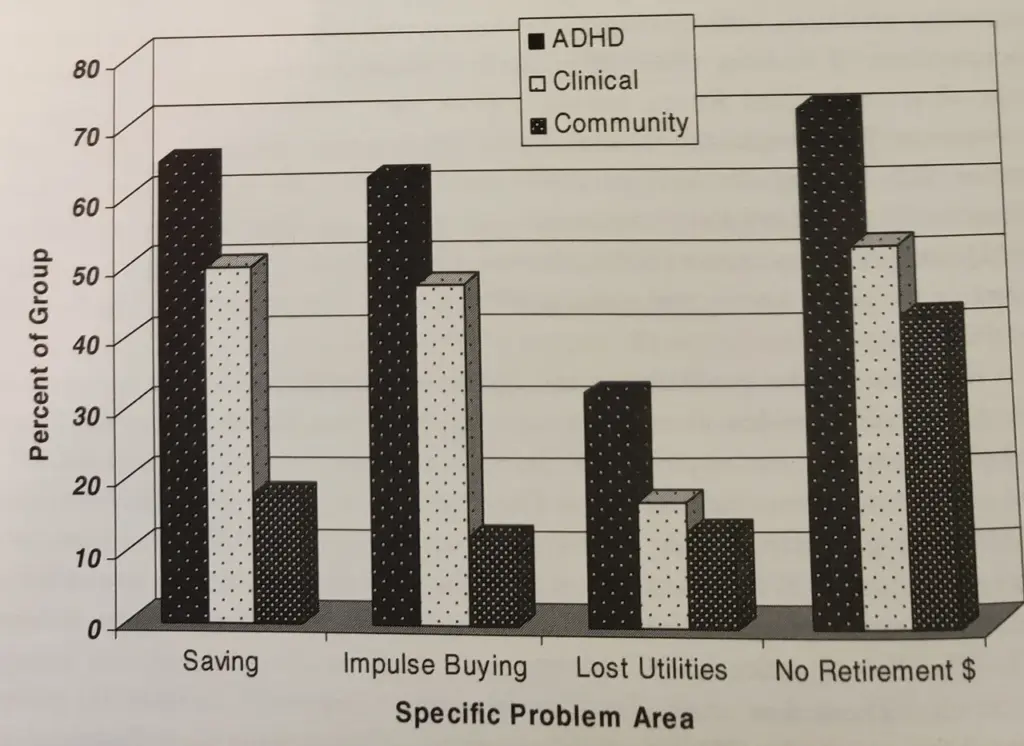
In addition to the previously mentioned areas of impairment, ADHD can also affect financial discipline, which is not often noticed until adulthood. Adults with ADHD may struggle with managing their finances effectively, such as saving money, controlling impulsive purchases, and keeping track of bills and expenses. They may also have difficulty with long-term financial planning, leading to a lack of retirement savings. This can lead to significant financial stress and problems, such as debt and unpaid bills.
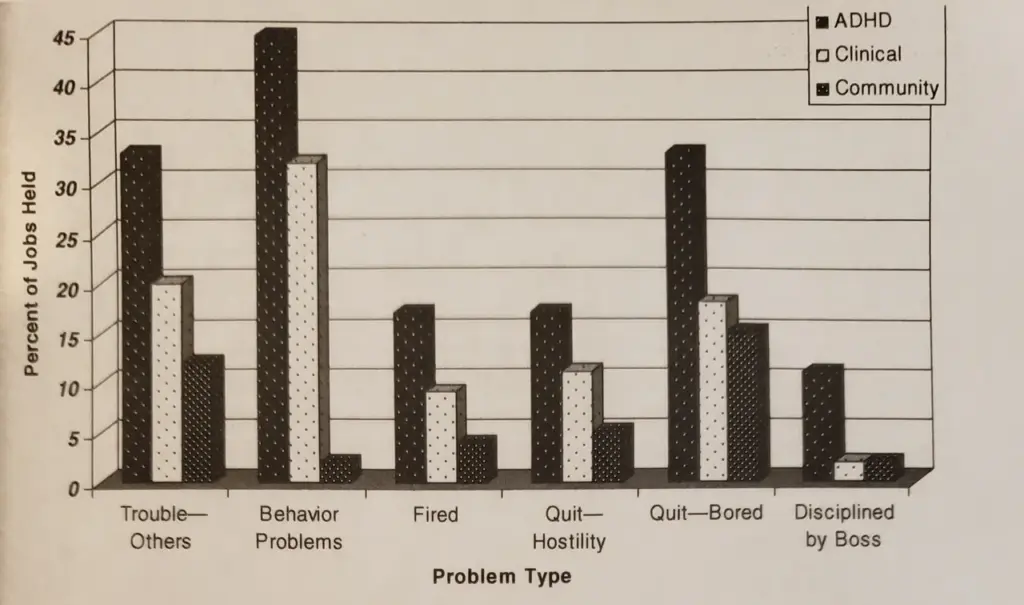
Another area of impairment that adults with ADHD often experience is difficulties with maintaining employment. Studies have shown that adults with ADHD have a higher risk of losing their jobs or being unemployed for extended periods when compared to the general population. This can be due to several factors, including problems with time management, procrastination, distractibility, and difficulty with following through on tasks. These difficulties can lead to poor work performance, missed deadlines, conflicts with supervisors or coworkers, and being fired. Additionally, adults with ADHD may struggle to find a job that aligns with their interests and strengths, leading to dissatisfaction and decreased motivation.
It’s important to note that the symptoms of ADHD in adults may look different than they do in children. While hyperactivity is a hallmark symptom in children with ADHD, it may present differently in adults. Adults with ADHD may experience inner restlessness, an inability to relax, and may constantly find themselves seeking out activities or stimulation. They may also have difficulty with talking excessively and interrupting others.
Impulsivity is another common symptom of ADHD in adults, and may present as feeling impatient, spending too much money, carrying out plans immediately without thinking them through, resigning from jobs impulsively, binge eating, or driving too fast.
Inattention is also a hallmark symptom of ADHD, and may present as disorganization, forgetfulness, losing important items, and poor time management. Adults with ADHD may struggle with completing tasks or following through on commitments, leading to problems in personal and professional relationships.
According to Daniel Wysocki Ed.S., although the symptoms of ADHD in adults may not be as noticeable as they are in children, they can still have a considerable impact on an individual’s daily life and functioning. Hence, it’s important for adults with ADHD to undergo an evaluation and receive proper treatment, which can aid in better management of their symptoms and enhance their overall quality of life.
Graphs from Barkley, R. A., Murphy, K. R., & Fischer, M. (2011) ADHD in adults: What the science says. New York: Guilford